
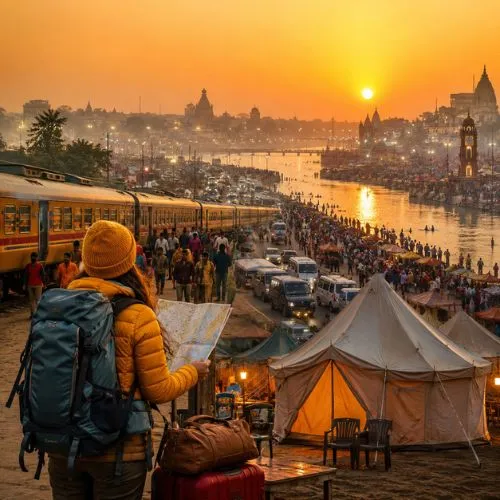
Kumbh Mela Travel Guide: Stay, Transport, and Planning Tips
The Kumbh Mela is one of the world’s largest spiritual gatherings, attracting millions of pilgrims, travellers, and visitors from across India and beyond. For many people, attending the festival is a deeply meaningful experience, but managing such a large journey requires thoughtful planning. From choosing the right place to stay to arranging transport and understanding crowd conditions, a little preparation can make your pilgrimage much more comfortable. This Kumbh Mela travel guide covers the essential things you should know before visiting.
Whether you are travelling alone, with family, or as part of a larger group, these practical tips can help you plan your journey, manage your time, and enjoy the spiritual atmosphere without unnecessary stress.
Why Planning Matters for Kumbh Mela
The Kumbh Mela takes place on a huge scale, with large numbers of devotees arriving around important bathing days and religious occasions. As a result, transport services, hotels, camps, trains, and other facilities can become extremely busy.
Planning ahead is especially important if you want to visit on major bathing days. Accommodation near important ghats and event areas may fill quickly, while road traffic can become slower because of diversions and crowd-control arrangements.
A well-planned trip helps you:
- Find suitable accommodation before prices increase.
- Choose convenient transportation options.
- Avoid unnecessary last-minute changes.
- Keep enough time for darshan and bathing rituals.
- Prepare for walking and large crowds.
- Organise meals, medicines, documents, and other essentials.
- Travel more comfortably with children or senior citizens.
Choose the Right Time to Visit
One of the first decisions to make is when you want to visit the Kumbh Mela. The festival usually includes several important bathing dates, and these days can attract exceptionally large crowds.
If your primary goal is to participate in an important bathing ritual, check the official festival calendar and plan your travel accordingly. However, if you prefer a quieter experience, consider visiting on days that are less crowded.
When selecting your travel dates, think about:
- Major bathing and religious dates.
- Expected crowd levels.
- Train and flight availability.
- Hotel or camp availability.
- Weather conditions.
- Your own physical comfort.
- The amount of time you have available.
Travelling a day or two before a major event can sometimes give you more time to settle in and understand the local area.
Where to Stay During the Kumbh Mela
Choosing the right place to stay is one of the most important parts of your trip. There are generally several options, ranging from regular hotels and guesthouses to temporary camps, tents, ashrams, and dharamshalas.
Your Kumbh Mela travel guide choice depends on your budget, preferred comfort level, group size, and how close you want to be to the main festival area.
Hotels and Guesthouses
Hotels are a good option for travellers who prefer privacy and standard facilities. Depending on the destination, you may find everything from budget rooms to premium hotels.
Hotels can be particularly convenient for:
- Families.
- Senior citizens.
- Couples.
- Travellers who prefer private bathrooms.
- Visitors staying for several nights.
However, properties closer to major ghats or festival zones can become expensive during peak dates. Therefore, early booking is strongly recommended.
Camps and Tents
Temporary camps and tents provide a more immersive experience. They can allow visitors to stay closer to the festival environment while enjoying facilities designed specifically for pilgrims.
Depending on the camp, facilities may include the following:
- Beds and mattresses.
- Electricity.
- Attached or shared bathrooms.
- Meals.
- Drinking water.
- Security.
- Common sitting areas.
- Basic housekeeping.
Premium camps may offer additional comforts, making them suitable for travellers who want a traditional atmosphere without giving up too many modern conveniences.
Dharamshalas and Ashrams
Dharamshalas and ashrams can be suitable for pilgrims looking for simple and spiritual surroundings. These options may have fewer facilities than hotels, but they can provide an affordable place to rest.
Before confirming your stay, always check:
- Check-in and check-out rules.
- Meal availability.
- Bathroom facilities.
- Distance from the main bathing areas.
- Electricity and water availability.
- Security arrangements.
- Whether advance registration is required.
Book Your Stay Early
During the Kumbh Mela, demand can rise sharply, particularly around major bathing dates. Waiting until the last minute may leave you with fewer choices and higher rates.
Early planning gives you more flexibility to compare different areas and facilities.
When comparing places to stay, do not focus only on price. This Kumbh Mela travel Guide recommends considering the overall convenience of the location. A slightly more expensive property may save you time and effort if it offers easier access to transportation, important areas, and major festival attractions.
Understand Local Transport Options
Transportation during the Kumbh Mela can be different from normal travel. Authorities may introduce temporary traffic restrictions, parking zones, road diversions, shuttle services, and pedestrian routes to manage crowds.
Therefore, do not assume that your vehicle will be able to reach the exact location of your hotel or camp.
Common transportation options may include:
- Trains.
- Flights.
- Buses.
- Taxis.
- Auto-rickshaws.
- Local shuttle services.
- E-rickshaws.
- Walking routes.
For short distances, walking may sometimes be faster than using a vehicle during peak crowd periods.
Plan Your Train Journey Carefully
For many pilgrims, trains are one of the most practical ways to reach the Kumbh destination. During the festival, railway authorities may operate additional services depending on demand.
Try to book your train tickets as early as possible. Also, check your arrival and departure stations carefully because special arrangements may be introduced during the festival.
Before leaving, keep these details accessible:
- Train number.
- PNR or booking information.
- Arrival station.
- Departure station.
- Hotel or camp address.
- Local transport details.
- Emergency contact numbers.
It is also wise to allow extra travel time. A journey that normally takes an hour may take considerably longer during peak crowd conditions.
Consider Flights for Long-Distance Travel
If you are travelling from a distant part of India, flying can save considerable time. Airports near the host city can provide convenient access, but the final journey from the airport may still take longer during busy festival periods.
If you are arriving by air:
- Check airport transfer options before departure.
- Confirm whether your hotel provides pickup.
- Keep additional travel time for road congestion.
- Avoid scheduling a very tight connection between your flight and onwards transport.
For families and older travellers, arranging a reliable transfer in advance can reduce unnecessary stress.
Prepare for Walking
One of the most important things visitors should remember is that the Kumbh Mela involves considerable walking.
Even if you stay near the festival area, you may need to walk between parking areas, transport points, bathing ghats, camps, food areas, and security checkpoints.
Wear:
- Comfortable walking shoes.
- Lightweight clothing.
- Weather-appropriate layers.
- Socks that prevent discomfort.
- A small backpack.
Avoid carrying unnecessary luggage because moving through crowded areas with heavy bags can be difficult.
Keep Your Essential Items Ready
A simple packing list can make your trip much easier. Instead of carrying too many belongings, focus on practical necessities.
Essential items to pack
- Government-issued identification.
- Booking confirmations.
- Mobile phone and charger.
- Power bank.
- Basic medicines.
- Personal hygiene products.
- Reusable water bottle.
- Comfortable footwear.
- Wear warm clothes if travelling during cold weather.
- Small flashlight.
- Hand sanitiser.
- Tissues or wet wipes.
- Sunglasses and sunscreen where appropriate.
- Small amount of cash.
Keep important documents in a waterproof pouch or another secure location.
Take Care of Your Health
Large religious gatherings involve crowds, long walks, changing weather, and long periods outdoors. Therefore, taking care of your health should be part of your travel planning.
Drink enough water and avoid skipping meals. Carry any regular medicines you may need and keep them easily accessible.
If you are travelling with children or elderly family members, plan regular rest breaks. Do not push yourself to walk long distances without stopping.
It is also useful to know the location of nearby medical facilities and emergency assistance points before entering heavily crowded areas.
Food and Drinking Water
Food is an important part of any pilgrimage journey. You may find restaurants, food stalls, community kitchens, and religious institutions serving meals throughout the festival area.
However, hygiene should remain a priority.
Follow simple precautions:
- Drink safe and clean water.
- Prefer freshly prepared food.
- Wash your hands before eating.
- Avoid food that has been sitting uncovered for long periods.
- Carry light snacks if you expect long waiting times.
- Keep yourself hydrated throughout the day.
If you have dietary restrictions, research suitable food options before your trip.
Stay Connected With Your Group
Crowds can make it surprisingly easy to lose sight of family members or friends. Mobile networks can also become busy in heavily crowded areas.
Before entering the festival zone, choose a meeting point with your group. Make sure everyone knows the location and what to do if someone gets separated.
You can also:
- Save important phone numbers.
- Keep a written emergency contact in your wallet.
- Carry your accommodation details.
- Take a photo of your group’s meeting point.
- Keep children’s contact information with them.
Do not depend entirely on mobile internet for navigation.
Keep Your Belongings Secure
Large crowds require extra awareness. Keep your phone, wallet, identification, and other valuables secure.
A small crossbody bag or secure backpack can be more convenient than carrying multiple bags.
Avoid displaying expensive jewellery or unnecessary valuables. Also, do not leave bags unattended in crowded public areas.
Plan Your Day Around Crowd Levels
A flexible daily schedule can make your experience much more enjoyable.
Instead of trying to visit every location in one day, prioritise the places and activities that matter most to you.
A simple plan could include:
Morning: Begin early and visit the ghat or temple area.
Afternoon: Return to your accommodation, eat, and rest.
Evening: Explore nearby spiritual sites, markets, or cultural activities.
Night: Return early if crowd movement or transport becomes difficult.
On major bathing days, however, expect significant crowd movement and follow instructions from local authorities and security personnel.
Respect Local Rules and Religious Traditions
The Kumbh Mela is a deeply spiritual gathering. Visitors should respect local traditions, religious practices, and public instructions.
Follow designated walking routes, security instructions, bathing guidelines, and restrictions around sensitive areas.
As part of this Kumbh Mela travel Guide, be respectful when taking photographs. Not everyone may be comfortable being photographed, especially during personal religious rituals.
A respectful attitude helps create a better experience for everyone.
Common Planning Mistakes to Avoid
Even experienced travellers can face problems if they underestimate the scale of the festival.
Avoid these common mistakes:
- Booking your stay at the last minute.
- Choosing accommodation without checking its location.
- Carrying too much luggage.
- Planning a tight train or flight connection.
- Ignoring weather conditions.
- Depending completely on mobile navigation.
- Forgetting basic medicines.
- Trying to cover too many places in one day.
- Not keeping extra time for traffic and walking.
- Failing to decide on a group meeting point.
A Simple Kumbh Mela Travel Checklist
Before leaving home, check the following:
- Travel tickets booked.
- Stay confirmed.
- Festival dates checked.
- Important bathing dates reviewed.
- ID documents packed.
- Medicines packed.
- Comfortable footwear ready.
- Phone and power bank charged.
- Local transport researched.
- Emergency contacts saved.
- Group meeting point decided.
- Weather checked.
- Essential cash carried.
- Daily itinerary prepared.
Final Thoughts
The Kumbh Mela is much more than a regular holiday. It is a unique spiritual and cultural experience that brings together millions of people in an atmosphere of faith, tradition, and devotion. Because of its enormous scale, however, careful preparation is essential.
Start by choosing your travel dates, then arrange your stay and transportation as early as possible. Consider your comfort level when selecting hotels, camps, tents, or other options. Keep your luggage light, prepare for walking, stay hydrated, and allow extra time for traffic and crowds.
Most importantly, remain flexible. Conditions can change quickly during major festival days, so following local instructions and keeping your schedule adaptable can make your journey much easier.
With thoughtful planning, the right travel arrangements, and a practical approach to crowds and transportation, your Kumbh experience can be comfortable, meaningful, and memorable. Use this Kumbh Mela Travel Guide as a starting point and prepare well before beginning your spiritual journey.